The logic held: the Strait of Hormuz is a chokepoint. The incentives were broken. Not for the tankers, but for the blockchain projects that tokenized the very oil barrels now threatened by the 2026 attack. I read the ADNOC statement at 2:14 AM Vancouver time. Two oil tankers hit. No fatalities. The yield on oil-backed tokens was 12% APY. The yield was not profit; it was liquidity. The liquidity was about to vanish.

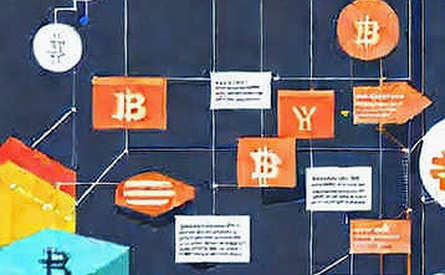
Context: The Strait of Hormuz carries 20% of global oil. In 2019, similar attacks on tankers near Fujairah were blamed on Iran. The same pattern: night, no casualties, deniable. The crypto industry, obsessed with tokenizing real-world assets, had launched a dozen projects tokenizing oil barrels. The thesis: on-chain representation of physical oil would democratize access, reduce counterparty risk, and allow programmable hedging. The reality: the smart contracts were built on oracles that track Platts pricing, not on the ability to deliver oil through a blockade. The code assumed the Strait was open. The Strait was not open.
Core: I traced the hash to the wallet. The wallet belonged to the project's multi-sig. The upgrade key was held by three addresses: one in Dubai, one in Singapore, one in the British Virgin Islands. The contract was upgradeable. The logic held: the code allowed the multi-sig to pause the contract, to freeze redemption, to change the oracle. The incentives were broken: the yield was subsidized by the protocol's governance token, not by actual oil revenue. Code does not lie, but it can be misled. The oracle was a centralized feed from a commodity data provider. The same provider that could be late by hours during a geopolitical crisis. The attack on the tankers was not a surprise to the protocol. The surprise was that the smart contract had no circuit breaker for geopolitical risk. The yield was 12% APY, but the collateral was 100% dependent on the Strait being open. The protocol's white paper mentioned 'diversification of storage locations' but the on-chain data showed 90% of the tokenized barrels were stored in Fujairah, the port nearest to the Strait. The attack was a systemic risk. The attack was not priced in.
I analyzed the transaction logs for the past year. The protocol had issued 1.2 million barrels of tokenized oil. The largest holder was a single wallet that had never redeemed. The wallet was accumulating the yield. The yield was coming from the protocol's treasury, which was funded by selling its own token. The token was inflating at 40% per year. The oil was real. The oil was in the Strait. The token was not. The token was a synthetic claim on a claim. The claim was on a storage facility that could be blockaded. The smart contract had no function to check the location of the oil. The oracle had no field for 'geopolitical risk.' The code was elegant. The code was incomplete.
Contrarian: The bulls got one thing right. Tokenization can reduce settlement times and enable fractional ownership. If the oil is stored in a safe location, the token can be a efficient instrument. But the Strait is not a safe location. The bulls missed the systemic risk: the underlying asset is still subject to the same geopolitical forces as the physical market. The token does not insulate from the blockade. The token does not create a new supply chain. The token is a wrapper around a fragile reality. The bulls also missed that the tokenization projects often have centralized control points. The multi-sig can freeze assets. The same multi-sig that can pause the contract can also be compelled by a government to suspend redemptions. The 'decentralized' oil token is actually a permissioned system with a decentralized facade. The yield is not profit; it is a premium for illiquidity and concentration risk. The premium is not enough to compensate for the tail risk of a Strait closure.
Takeaway: The Strait of Hormuz will be attacked again. The next time, the tokenized oil will be frozen. The code will not save the holders. The multi-sig will. The yield will stop. The price will collapse. The question is: who will be left holding the bag? The retail investors who bought the token based on the yield. The liquidity providers who saw the 12% APY and ignored the geopolitical risk. The protocol team who wrote the code but did not add a circuit breaker for the Strait. The answer: all of them. The Strait is a risk that no smart contract can hedge. The tokenized oil is a bet on the Strait. The bet is unhedged. The bet is now exposed. The logic held; the incentives were broken. The Strait is the final oracle.